Encouraging Older Individuals to Engage in Regular Exercise Through Comprehensive Fitness Guidelines
Wiki Article
Staying energetic is important for individuals of all ages, but it becomes especially significant as persons age. For older adults, consistent physical activity supports preserving independence, supports flexibility, and enhances general health. Comprehensive training frameworks deliver seniors with structured approaches to physical health that address coordination, range of motion, muscle endurance, and resilience. By adhering to well-designed exercise routines, seniors can elevate their daily function while reducing the likelihood of injuries, chronic diseases, and mental health challenges.
Staying fit for older adults is not confined to demanding training sessions or heavy exercise regimens. It centers instead on moderate, gradual, and ongoing physical engagement that matches individual ability levels. Routines such as walking, mobility work, gentle yoga, and strength conditioning assist retaining joint flexibility and muscle tone. Cardiovascular exercises like water fitness or indoor biking boost cardiovascular function, which are important for sustaining physical endurance and stamina. These types of exercise also support mental function, as studies have demonstrated that regular exercise can enhance mental clarity, emotional well-being, and mental performance.
Thorough exercise guidelines prioritize a integrated approach to fitness, addressing bodily, psychological, and social factors of lifestyle. Seniors are advised to start gradually and advance at a comfortable pace, maintaining injury prevention while preventing fatigue. Including warm-up and cool-down routines minimizes strain, while appropriate hydration and diet complement physical activity. Additionally, group fitness environments—such as community walking clubs or fitness meetups—provide opportunities for social interaction, encouragement, and well-being, which are just as vital to complete fitness.
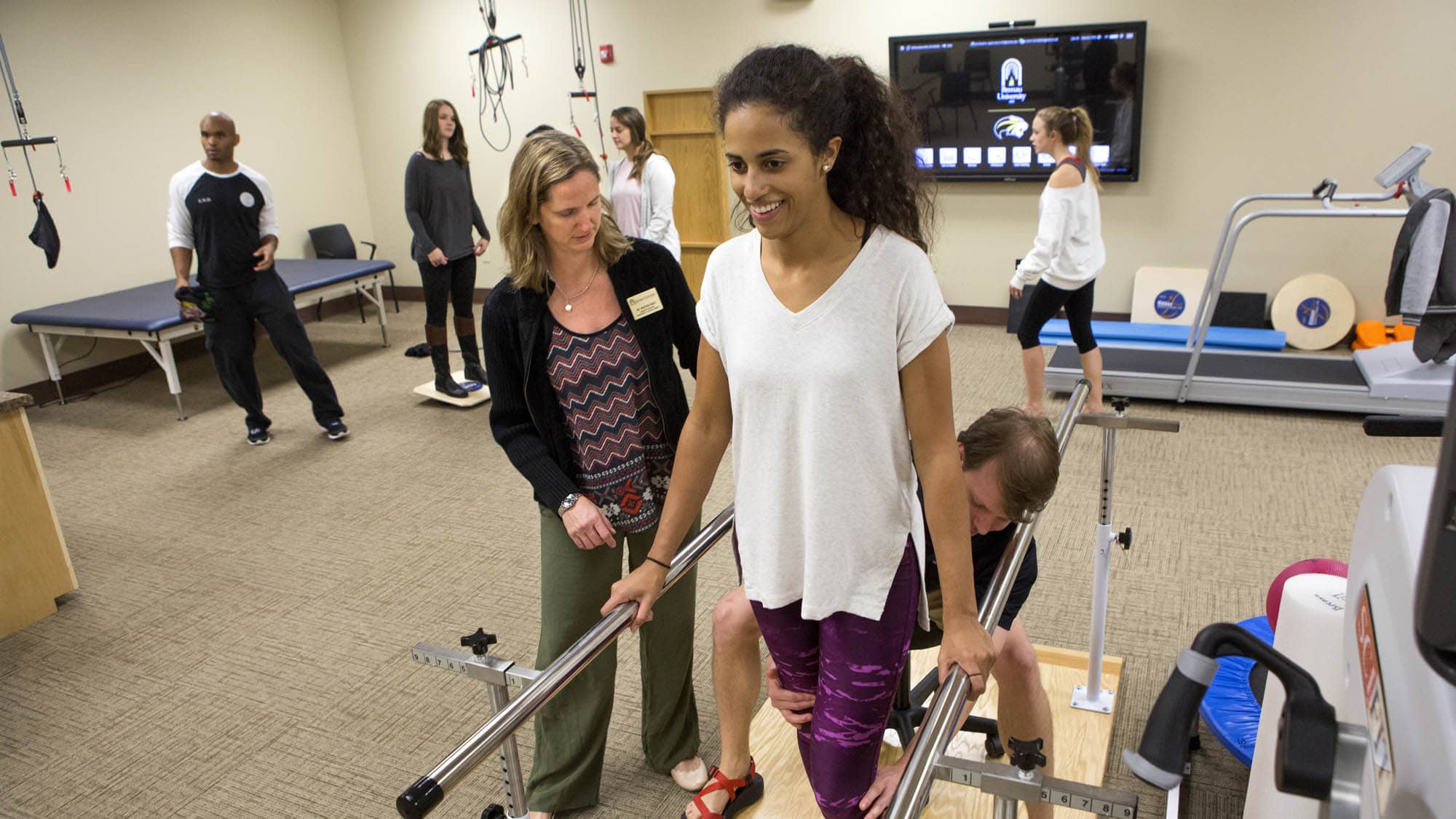
Qualified instruction acts as a crucial part in assisting seniors build tailored fitness programs. Working with medical professionals, physical therapists, or certified fitness trainers verifies that routines are adapted to individual requirements, fitness levels, and goals. These specialists can recommend effective workout protocols that account for elements such as mobility concerns, bone fragility, or heart health concerns. Through regular assessment and adjustment, find out here now training programs stay effective and motivating, supporting lasting participation and achievement.
Overall, motivating elders to embrace fitness through comprehensive fitness frameworks builds a culture of healthy living. When seniors are supplied with understanding, confidence, and organized systems, they develop confidence in their physical abilities and appreciate greater independence. Sustained fitness boosts not only muscle capacity but also mental clarity and psychological balance. By prioritizing inclusive, well-guided training systems, organizations can help that every senior has the opportunity to lead a healthy, active, and the original source fulfilling life.